





For many years, home was where you rested, recharged after a long day and restored yourself for the next one. We’d return from work to share a meal, enjoy a box set or catch up with a few friends. In 2026, our homes couldn’t be more different.
They’re places where we conduct big meetings with colleagues we only know through a screen. They’re where we charge our cars, cope with never-before-seen heatwaves, get our exercise and receive a handful of deliveries. And that’s just a single day.
From hybrid working to an increased emphasis on strengthening our connection with outdoor space, the way we live has changed dramatically over the past two decades. That’s why what we expect from our homes is evolving and our sense of what makes a good home to live in is fundamentally different.
How homes have changed since the pandemic
2020 was an unexpected experiment in remote working, something that had been possible for years, but tried by very few. Suddenly, huge numbers of people (and their employers) were finding out that working from home was not just possible, but similarly productive to spending every day in the office. The result: everyone became acutely aware of whether their home could support a rich and varied lifestyle, or whether limited space made it difficult to do everything under one roof.
However, the transformation in how we live – and what we expect from our homes – is about more than the much-discussed pandemic. After all, many of us have already restarted our gym memberships or found our way back to the office at least some of the week. In fact, the transformation is considerably larger.
The impact of connectivity on our homes
Connectivity has redefined how we live over decades, not just a few years. What was accelerated by the pandemic started when we could shop at the touch of a button and watch the latest films without trekking to the cinema. We simply want to do more with our homes. And, with social media giving us a constant flow of inspiration, our to-do lists are always growing.
One 2025 study estimated that 83% of people discover new hobbies and interests online at least twice a week. If they pursue just a few of these in a given year, that’s still a constant flow of new uses for the various spaces in a home.
The internet ignited a fundamental rethink in how we used our homes and that’s dramatically changing what discerning homebuyers care about.
What makes a good home to live in?
At Brookworth, we’re always getting to know homebuyers from across the country, learning what they value in the places they choose to call home. In the past 12 months, we’ve seen the same four key areas come up time and time again: the most desirable traits of the perfect home.
Light, space and room to think
In 2024, AA Home Insurance surveyed would-be movers about the home features that mattered most. Only 14% of respondents said they were moving to get more bedrooms and 18% were looking for more living space. Increasingly, it’s not footprint that counts – it’s how all that space feels to be in and whether it promotes true rest and relaxation.
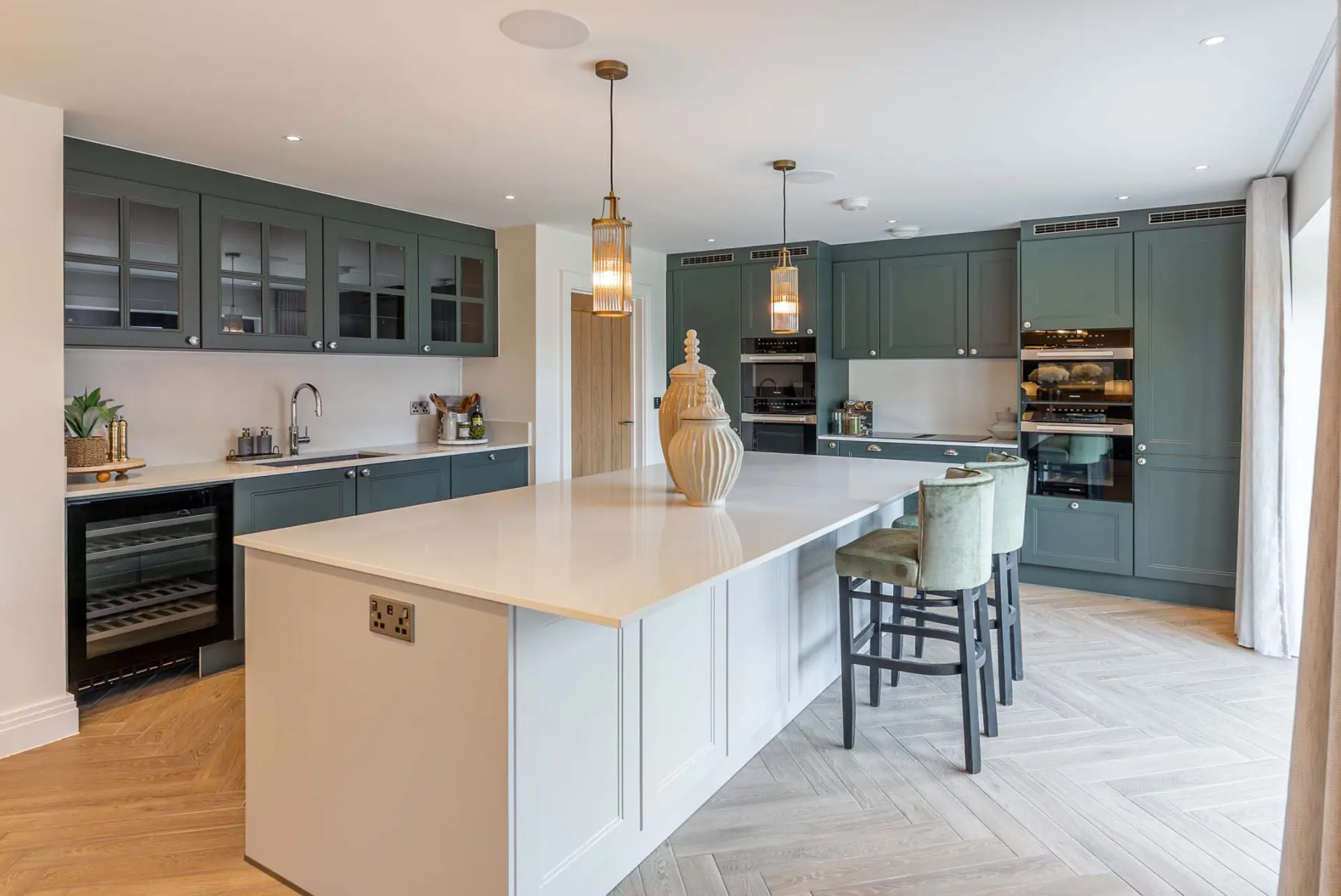
Open plan design has always been popular, but today’s buyers value the combination of open space, ample light and flexibility. An open plan kitchen with stunning bifold doors lets light flow from one area to another, creating a lighter, airier feel. Equally, zoned design gives different parts of your home a distinct purpose, from cooking to entertaining, without necessarily separating them off from each other.
Dedicated space for hybrid working
Whether you’re fully remote, spending some of your time in the office, or just want a dedicated place to do your household admin and paperwork, the right workspace has a significant impact on your focus and wellbeing.
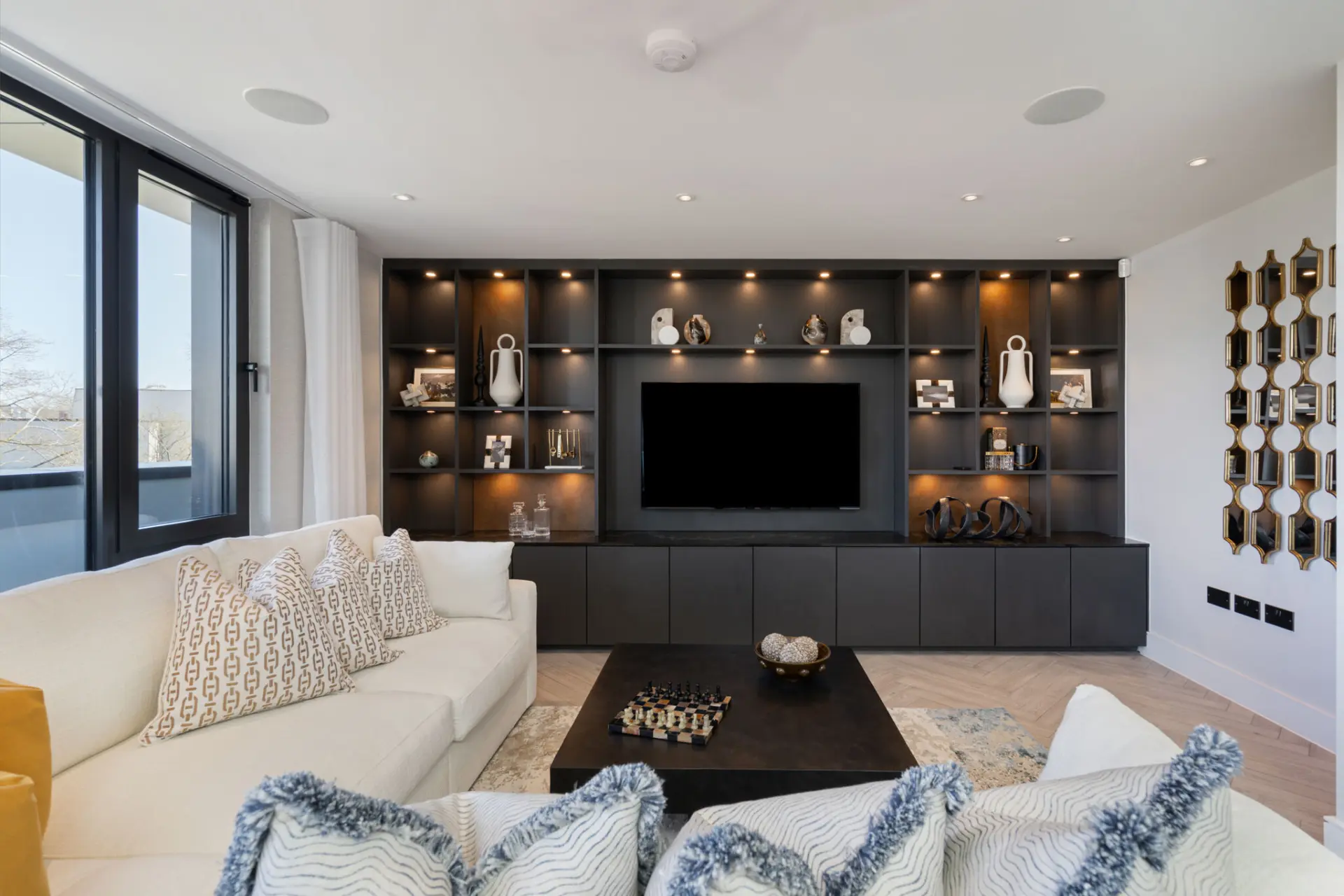
Intelligent hybrid working home design can help you make more of the space you already have, whether that’s a foldaway bureau that can become a temporary desk or rethinking how you light your workspace throughout the day. But there’s no substitute for a dedicated office, particularly when you’re trying to set a clear line between work and the rest of your life, something that research shows affects how well you can recover after a busy day at your desk.
Homes designed for entertaining
Another factor in changing home preferences over the past decade has been the rising cost of being anywhere else. For example, the price of eating out in the UK has increased roughly 50% in the past 10 years, while our homes have generally become better suited for making our own fun at home.
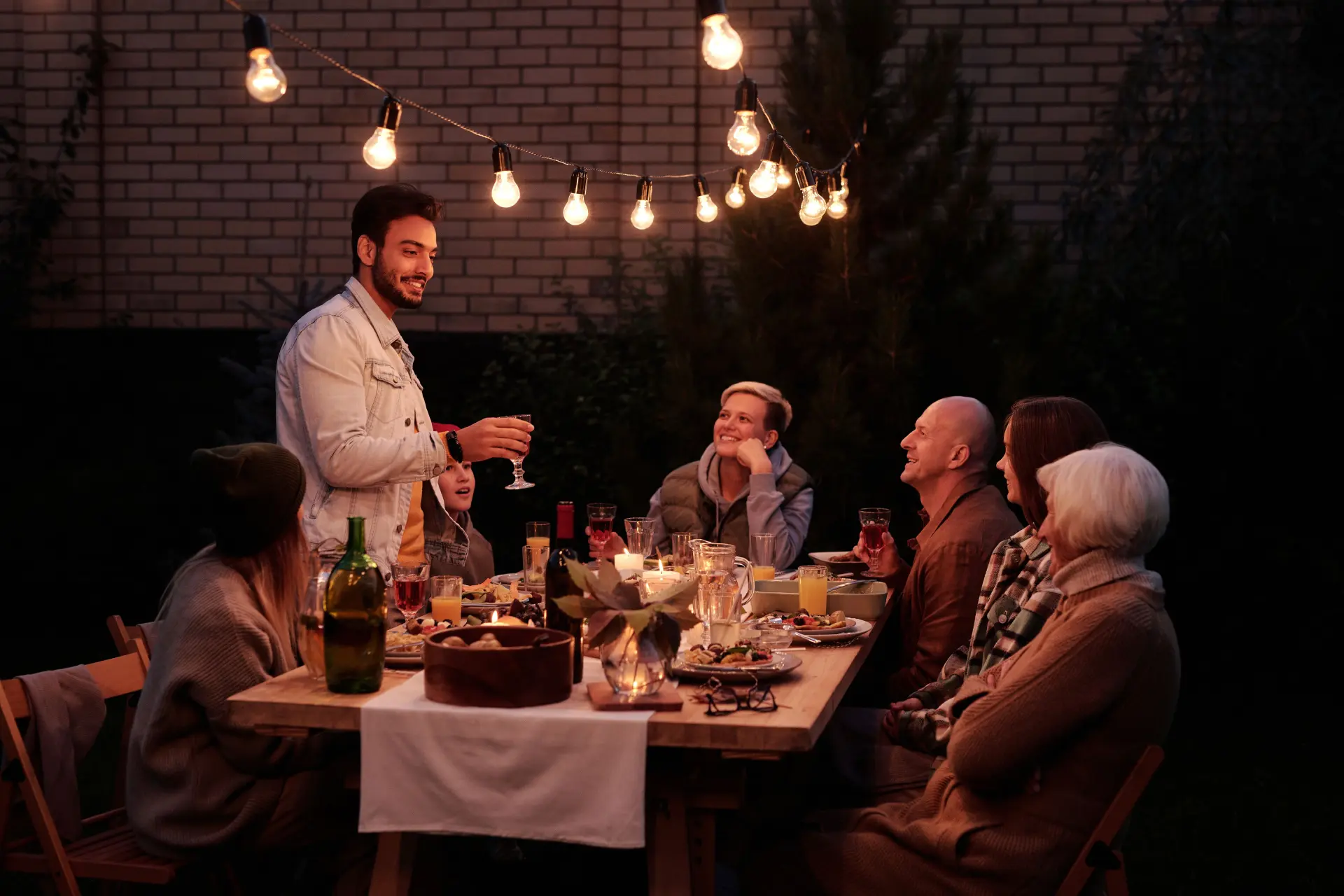
While homebuyers aren’t prioritising extra space for the sake of it, they value having enough room for a larger get together with family and friends. Outdoor space is also in high demand as an extension of your home’s entertaining potential, seamlessly connected to your kitchen area and living space. A home designed for entertaining brings everything together, from arriving into a spacious hallway to late-night drinks with some al fresco bites to eat.
A sense of connection and community: the rise of the 15-minute neighbourhood
Popularised by French urbanist Carlos Mereno, the so-called ’15-minute neighbourhood’ is a simple idea: put everything people routinely need, from green space to public transport and shops, within 15 minutes of where they live.
As straightforward as this sounds, it’s radically different from decades of urban planning based around the idea that people will drive to every amenity they need. And, according to YouGov data, it’s an idea that appeals to the majority of Britons. We all want the things we need and care about in easy reach, so we constantly feel connected to what matters most in our daily lives. In this sense, location remains key for the UK’s homebuyers in 2026.

Brookworth Homes: places built for what modern life really looks like
At Brookworth Homes, our entire ethos is based on responding to the needs of homebuyers. We believe a luxury experience is all about anticipating what you’ll need from your home, not asking you to adapt your lifestyle to suit where you live.
It’s an approach that’s kept us in business for over a decade and something you can see for yourself at one of our spectacular show homes:
Braeburns, Welford on Avon: light, spacious homes in one of the UK’s most desirable villages.
Gallica, Sissinghurst: timeless architecture with modern detailing in a convenient Kent location.
Skylarks, Brighton: homes shaped by the best of both worlds between the Sussex countryside and the South Coast.
Explore our other developments or get in touch with our experienced sales teams to discuss what your dream home would look like.