





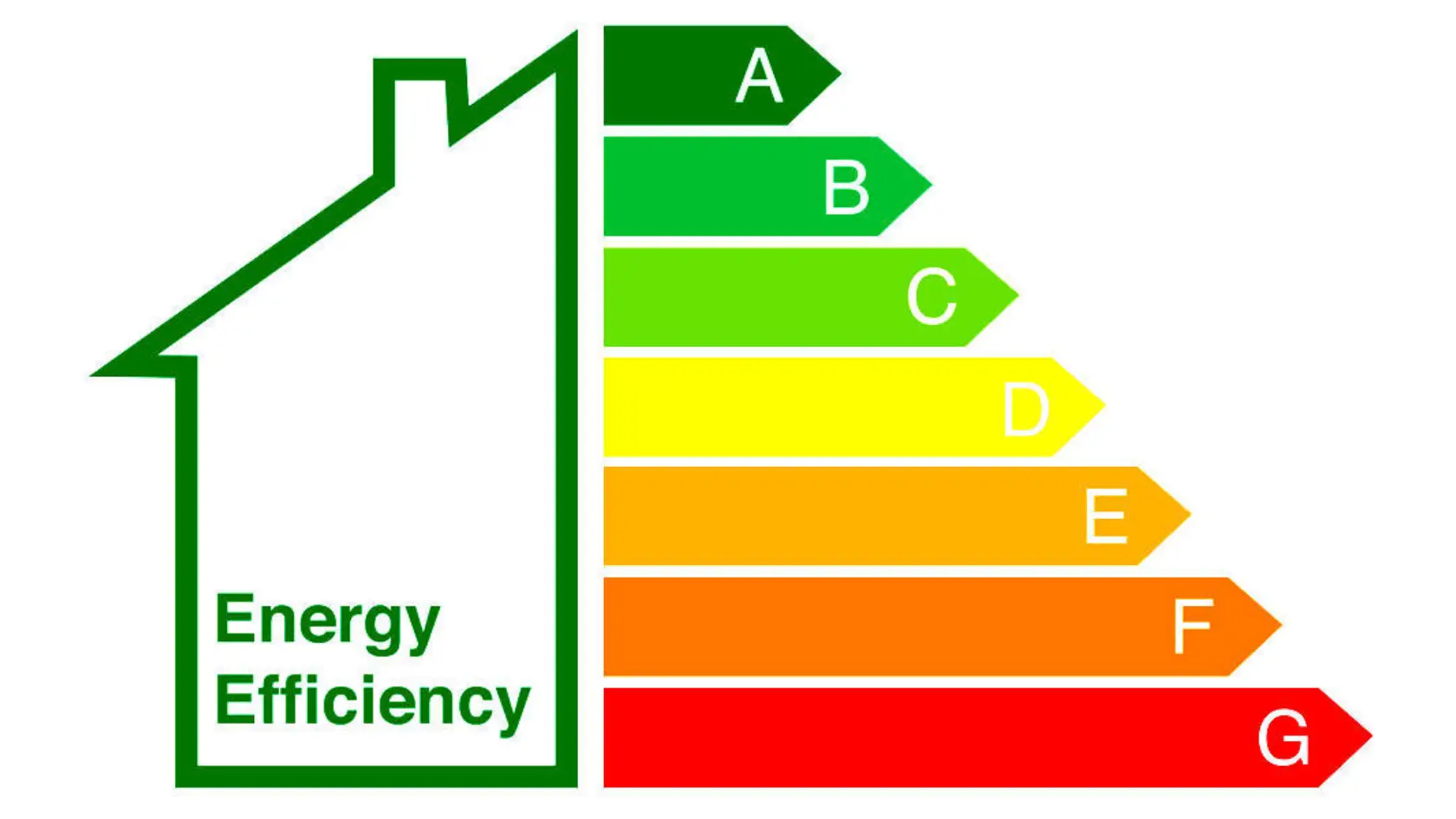
We’ve all scrolled past it: the intimating looking colour coded box nested in between photos of our potential new home. While Energy Performance Certificate (EPC) ratings are now required to sell our rent out a property, only 28% of movers say the EPC influences their decision.
But now, with the energy crisis continuing and price caps increasing every year, it’s more important than ever to consider the energy efficiency of your home. Poor insulation and dated gas boilers affect your running costs now and how well you’ll adapt to further price increases in the future. Efficiency extends beyond running costs, too, affecting the long-term value of your home and potential future sales if you decide it’s time to move.
From intensifying regulations to the potential costs of improvements, understanding and evaluating energy performance before you commit is set to become an increasingly vital part of the homebuying process.
What does an EPC rating mean?
Introduced in 2003, an EPC rating is a modelled assessment of a property’s current and potential energy performance, based on its physical characteristics. While some potential buyers assume an EPC rating is a simple scale of energy costs, it’s significantly more nuanced than that.
An EPC assessment looks at energy performance across important categories, which can include:
Walls
Roof
Windows
Heating system and controls
Hot water system and controls
Lighting
Air tightness
Insulation
Together, assessments of these elements are turned into an overall score and grade, from G (not energy efficient) to A (very energy efficient). Reports also include an indication of the energy performance potential of a property, paired with specific improvements such as adding insulation or adopting low energy lighting.
The relationship between EPC ratings and new build energy bills
While many of us are striving to reduce our environmental impact in various parts of our lives, EPC reports also include a range of financial estimates, recognising that homeowners overwhelmingly want to reduce their gas and electricity bills.
A standard report will typically cover the estimated running costs of a property across heating, hot water and lighting. There’ll also be recommendations for improvements, paired with indicative costs and typical savings.
However, these financial aspects are fairly imprecise, simply because people use their homes in such varied ways. A retiree who keeps their home at 18 degrees will use significantly less energy than a family who prefers sweating at 22 degrees all year round. One 2026 government report highlighted that EPCs overestimate energy costs by an average of 16%, leading to widespread discussion about EPC reform.
Meanwhile, with the unit cost of energy being so volatile and tradespeople charging more as the result of the increasing cost of materials, the tangible figures in an EPC report could become outdated in months, not years.
What’s more useful is to consider the bigger picture: the general direction of travel for the efficiency of our homes and what that means for your long-term costs and property value.

EPC rating: new build vs old house
Over the past two decades, home running costs have continually increased while the impacts of climate change become increasingly clear. The energy efficiency expectations of a property have changed dramatically and new regulations add additional responsibilities for developers.
That means that new build homes are built to a standard that could be radically different from even a 10-15 year old property. This is easy to see in average EPC ratings.
According to the Office for National Statistics, the average EPC rating of all homes in England is 68 (Band D) while new build homes average a score of 84 (Band B). At the same time, these older, pre-loved properties vary hugely in their energy performance depending on age. A picturesque countryside cottage may bring character and charm, but it’s likely to sit at the bottom end of the scale.
The practical reality of energy performance improvements
A few years ago, the English Housing Survey (EHS) asked homeowners which improvements they were making to increase the energy performance of their homes and, in turn, their EPC rating. People overwhelmingly opted for the small, incremental improvements that were easy to implement, but not necessarily all that impactful on performance.
Routine boiler servicing, a new boiler, smarter controls and new radiators are common improvements, but the prevalence of these approaches highlights the biggest challenge in improving older housing stock: cost, complexity and disruption.
While a new smart thermostat can be fitted in an afternoon, replacing your glazing, adding cavity-wall insulation, switching to underfloor heating and adopting a heat pump are significantly more disruptive. And while just one of these changes could be an expensive undertaking, the biggest improvements are only possible when everything comes together.
Just as an EPC rating looks at your home holistically, from the walls to the boiler, the best energy performance happens when your entire property has been designed or adapted for efficiency.
Brookworth Homes: built for energy efficiency
The unique benefit of being a luxury new build property developer is that you can design for energy efficiency at the earliest stage – and make sure every part of a property works together for the best possible performance.
At Brookworth Homes, we make choices to optimise efficiency, including A+++ rated air source heat pumps, LED lighting and high-quality beaded insulation that’s 20% more efficient than fibre insulation. But we also go further to bring these efficiency maximising features together and unlock their true potential.
Our smart home technology puts you in control of your lighting, heating and hot water, avoiding unnecessary waste and energy costs. And with underfloor heating that distributes warmth evenly, we get the best possible performance out of your heat pump while reducing running time.
It’s a complete ecosystem for lower running costs, less carbon impact and long-term value.
Explore our developments or get in touch with our experienced sales teams to learn more about our energy saving features.