





When we make financial decisions, there’s a tendency to think, analyse and debate for months on end. It’s only natural to spend time trying to get a measure of the market, anticipate what the future might hold and carefully consider every detail before we commit to buying a new home.
Of course, the UK property market does fluctuate. Competition goes up and down, the cost of borrowing changes and a steadier market might make your final decision a little easier to make. After all, nobody wants to make their move only to find they could’ve found a better property, deal or interest rate if only they’d waited a few months.
However, the truth is that delaying your purchase comes with very real costs, many of which are often overlooked when would-be homebuyers are weighing their options. Across your lifestyle and bank balance, you could end up paying a financial and emotional premium.
The financial cost of waiting for the market
In November 2025, Rightmove reported that almost 20% of people paused their search for a new home because of uncertainty about the upcoming budget. Meanwhile, an entire economy of predictions and forecasts has sprung up around the understandable buyer instinct to plan ahead and try to anticipate the market.
However, there’s a striking gap between many of these forecasts and what the economy and housing market actually do. A 10% estimated fall in property prices turns out to be just a 1% decline, or mortgage rates take a sudden turn based on some unexpected crisis. In this context, even seasoned professionals struggle to accurately predict the market. And waiting for the perfect conditions may mean waiting a very long time.
In this gap between considering a move and starting the process, there are three main financial costs.
Unexpected house purchase costs
Even if we could know for certain that mortgage rates were about to drop, the real financial impact of this is difficult to calculate. If rates decrease but, during the waiting period, house prices continue to rise, a great deal on a mortgage might not be enough to offset the cost the right home. Worse, mortgage rates could unexpectedly increase while house prices do the same, effectively creating a scenario where you lose out on two fronts.
Cost of renting vs buying 2026
2025 was a landmark year in the UK property market, with data from Hamptons suggesting that the average mortgage payment became lower than the average monthly rent for the first time. In 2026, data from the ONS shows that rents are continuing to increase. In this sense, deciding to wait for a year doesn’t necessarily mean maintaining your current costs. It could mean being exposed to unexpected increases in the rental market.
The importance of purchasing power
Finally, inflation is unavoidable and, the longer you wait, the more your purchasing power is eroded. Over time, the same budget will always buy less house, regardless of what happens with prices, interest rates and the market.
The lifestyle cost of the perfect time that never comes
Financial patterns are far from the only reason that people delay moving home. The 2025 HomeOwners Alliance survey highlighted the potential stress of moving (35%) and struggling to find the right home (27%) as reasons to wait. But, beyond the financial cost, delaying a move you’re ready for comes with a significant impact on your lifestyle.
The emotional cost: living in a place that doesn’t fit
Where we live has a profound impact on our wellbeing and lifestyle. Homes are frequently included in frameworks for measuring quality of life, because they either enable us to live how we want, or become barriers to what we really need.
Delaying your move might mean the children settling for a shared bedroom, or you making do with working at the kitchen table as opposed to a productive home office. It could mean a draining commute or limiting your access to local amenities. These are all fair compromises if a better deal or the perfect house is guaranteed to be worth the wait, but that’s not something that’s easy to predict.
The opportunity cost: missing the right home for you
At the same time, the property market moves fast, especially for more desirable luxury new build properties in incredible locations. Competition for the best properties remains high and, by taking yourself out of the market for a few months or a year, you could miss the opportunity to secure the perfect place to call home.

When is the right time to buy a house?
A long waiting period before buying a home could come with financial and lifestyle costs. But what should you prioritise instead?
Above all else, the right time to buy a house should be based on your preferences, current position and family, not the near impossible to predict movements of the market. Property transactions typically increase in spring, not because of interest rates and mortgages, but because that’s when people want to spend their time exploring new homes, ready to move over the summer when work and school are quieter.
While making your move takes careful consideration, there’ll always be reasons to wait. The right time to move is whenever it feels right for you.
Brookworth Homes: bringing certainty to your move
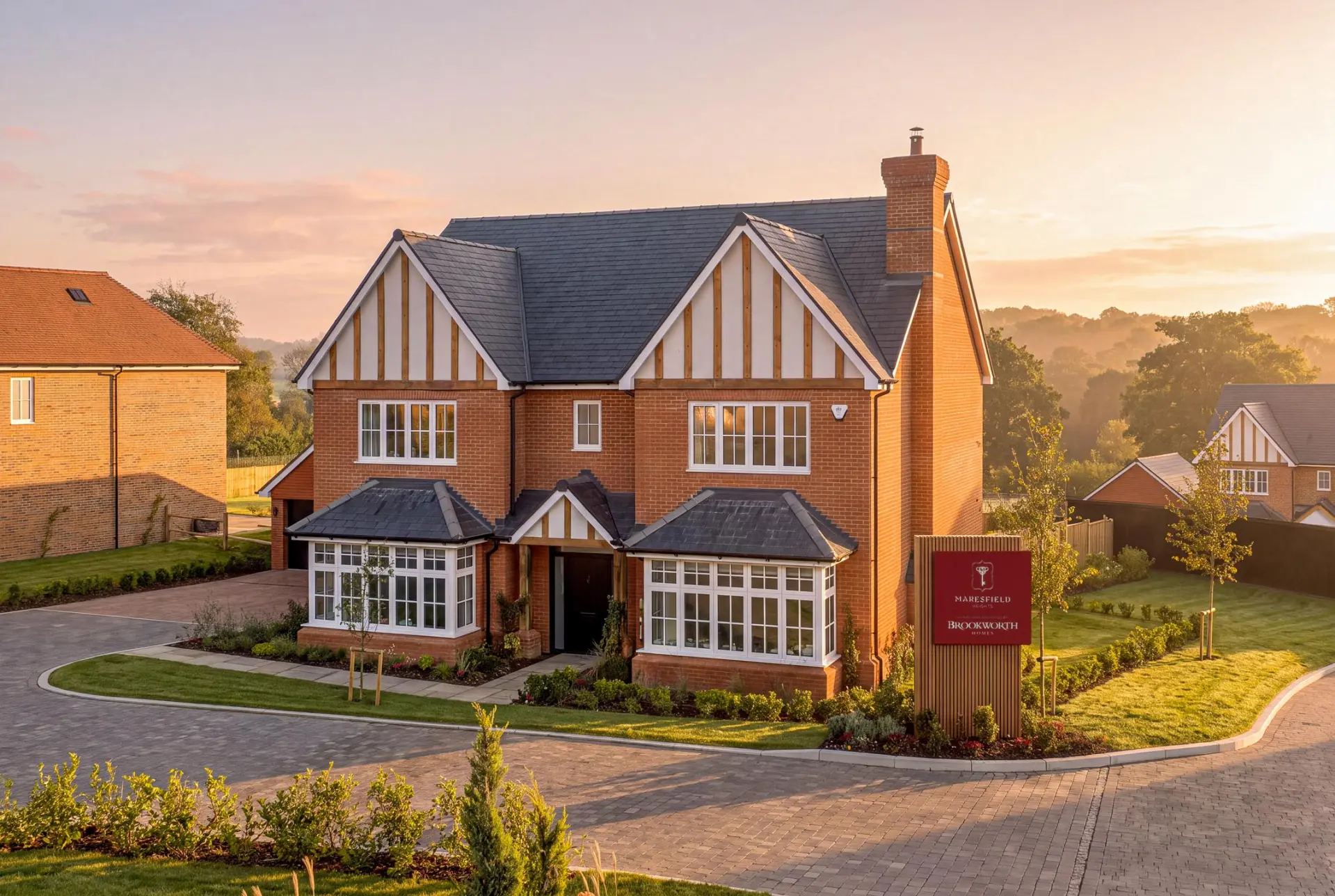
At Brookworth Homes, we build spectacular places for long-term value, with the clarity and certainty that only a luxury new build can offer. The property market may feel unpredictable, but we deliver quality you can count on.
It’s something you’ll see in every one of our developments: a commitment to timeless design, responsible construction, elegant architecture and places that become thriving communities. All with an emphasis on removing the complexity of buying your next home with robust quality assurance and support from our expert team.
Take the first step to your perfect home: get in touch with our experienced sales teams to find out more about our developments and arrange a visit.